
 Call 818-745-2542
Moving Locally Versus Long Distance
Choosing between moving locally versus long distance can affect planning, cost, and logistics. Each type requires a different approach to timing, packing, and coordination. Understanding these differences helps avoid surprises and improves efficiency. With the right expectations, you can better prepare, budget accurately, and ensure a smoother moving experience from start to finish. ABC Moving Systems will help you sort through these various choices.
Key Differences Between Move Types
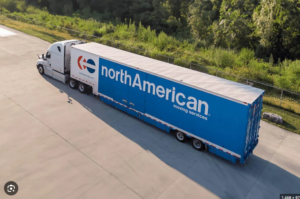
Moving locally versus long distance differs in several important ways that directly impact planning and execution. A local move typically stays within the same region and is usually completed in one day. In contrast, a long-distance move often crosses state lines and may take several days or longer.
Pricing structures are one of the biggest differences. Local moves are generally billed hourly, while long-distance moves are usually priced by weight, distance, and total shipment size. This makes accurate inventory planning more critical for longer moves.
Logistics also vary significantly. Local moves allow for more flexibility with timing and adjustments on moving day. Long-distance moves require tighter scheduling, coordinated delivery windows, and detailed planning in advance. Delays can be more complex when distance is involved.
Regulations are another key factor. Long-distance movers must comply with federal guidelines, while local movers follow state regulations. This can affect licensing, insurance requirements, and documentation.
Finally, communication and coordination differ. With local moves, you typically work with one crew throughout the process. Long-distance moves may involve multiple teams handling pickup, transport, and delivery. Understanding these differences helps set expectations and leads to a more organized and successful move.
Distance and Mileage Considerations
- Distance is the primary factor when moving locally versus long distance. Local moves usually stay within the same city or nearby areas.

Local Moving Van Long-distance moves typically cross regional or state boundaries.
- Mileage directly impacts cost, timing, and overall planning. Short distances allow quicker completion and fewer logistical challenges. Longer distances introduce fuel costs, route planning, and potential overnight transport.
- Travel time varies significantly between the two move types. Local moves are often completed in a single day. Long-distance moves may take several days depending on distance and scheduling.
- Fuel and transportation expenses increase with mileage. This is a key cost driver in long-distance moving. Local moves usually include minimal travel-related charges.
- Route conditions also play a role in planning. Traffic, road restrictions, and terrain can affect delivery timing. These factors become more important over longer distances.
- Delivery windows differ based on mileage. Local moves often provide precise arrival times. Long-distance moves typically offer broader delivery windows due to variables on the road.
- Return travel is another consideration for local moves. Some companies include travel time, while others structure it differently. Long-distance pricing usually factors this into the total estimate.
- Understanding distance and mileage helps set realistic expectations. It also allows for better budgeting and smoother coordination from start to finish.
Pricing Structures and Cost Factors

Pricing structures differ significantly between moving locally versus long distance, and understanding them helps avoid confusion. Local moves are typically billed by the hour, based on crew size and time required. This makes efficiency and preparation especially important on moving day. Delays, access issues, or incomplete packing can increase total cost.
Long-distance moves are usually priced based on weight, distance, and shipment size. The total volume or weight of items plays a major role in the final price. Additional services, such as packing or storage, also affect the overall estimate. Because of this, detailed inventories are critical for accurate pricing.
Travel-related costs are handled differently as well. Local moves may include a small travel fee or added time. Long-distance pricing typically builds transportation costs into the quoted total. Fuel, labor, and route planning are all factored into the estimate.
Access conditions can also influence pricing. Stairs, long carries, elevators, and parking restrictions may add time or extra charges. These factors apply to both local and long-distance moves but are often more impactful locally due to hourly billing.
ABC Moving Systems has found that understanding these pricing models allows for better budgeting and fewer surprises. Clear communication with your mover helps ensure expectations align with the final cost.
Packing and Preparation Needs
- Packing needs vary greatly between local and long-distance moves. Local moves allow for quicker, more flexible packing

Not Safe For Packing! timelines. Long-distance moves require earlier preparation and stricter organization.
- Durability of packing becomes more important with distance. Items traveling longer distances need stronger protection. Boxes must be securely packed to prevent shifting during transit.
- Labeling is helpful for both move types, but critical for long-distance moves. Clear labels ensure items arrive in the correct rooms. This is especially important when multiple crews are involved.
- Inventory tracking is often more detailed for long-distance relocations. Movers may document items to verify delivery accuracy. Local moves usually require less formal tracking.
- Packing materials can differ based on move distance. Long-distance moves often use higher-quality boxes and added padding. Local moves may use simpler materials for shorter transport.
- Timing and staging also play a role in preparation. Local moves can be packed closer to move day. Long-distance moves benefit from a staged packing plan over several days.
- Special items require extra attention regardless of distance. Fragile, high-value, or bulky items should be packed carefully. Longer moves increase the importance of proper handling.
- Proper preparation reduces stress and helps avoid delays. Planning ahead ensures smoother loading, transport, and delivery. This leads to a more efficient and organized moving experience.
Scheduling and Timing Flexibility

Scheduling and timing flexibility differ noticeably between local and long-distance moves. Local moves typically offer more adaptable scheduling options. Many can be completed in a single day with adjustable start times. This allows for last-minute changes if needed.
Long-distance moves require more structured scheduling. Pickup and delivery dates are often set within specific windows. These windows account for travel distance, route conditions, and logistics. Exact delivery times are less predictable due to variables on the road.
Availability can also vary based on demand. Local moves may be easier to book on shorter notice. Long-distance moves often require advance scheduling to secure preferred dates. This is especially true during peak moving seasons.
Coordination becomes more complex with longer distances. Multiple crews or transfer points may be involved. This makes timing more dependent on overall logistics and planning. Delays in one phase can affect the entire schedule.
Flexibility is generally higher with local moves. Long-distance moves prioritize coordination and efficiency over exact timing. Understanding these differences helps set realistic expectations. ABC Moving Systems has long felt that proper planning ensures a smoother and more predictable moving timeline.
Regulations and Licensing Requirements
- Regulations differ significantly between local and long-distance moves. Each type follows a different set of rules and oversight.
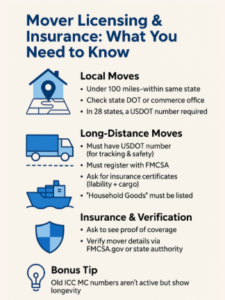
Licensing and Regulations - Local moves are governed by state regulations. Requirements vary depending on the state where the move takes place.
- Long-distance moves crossing state lines fall under federal regulations. These are overseen by the Federal Motor Carrier Safety Administration.
- Licensing requirements also differ between move types. Local movers must hold valid state licenses to operate legally.
- Long-distance movers must have a USDOT number issued by the FMCSA. This number tracks safety, compliance, and operating authority.
- Insurance requirements vary based on move distance. Both move types require basic coverage, but long-distance moves often have stricter standards.
- Documentation is more detailed for long-distance moves. Contracts, inventories, and delivery terms are typically more formalized.
- Consumer protections are generally stronger for interstate moves. Federal laws outline rights and responsibilities for both movers and customers.
- Dispute resolution processes can also differ. Long-distance moves may follow federally defined procedures for claims and arbitration.
- Understanding these regulations helps you choose a properly licensed mover. It also ensures your move meets legal and safety requirements.
Risk Factors and Damage Prevention

Risk factors differ when moving locally versus long distance, mainly due to time, distance, and handling. Local moves involve shorter transit times and fewer handling points. This generally reduces the chance of damage. However, tight spaces, stairs, and quick pacing can still create risk.
Long-distance moves introduce more variables that can increase potential damage. Items remain in transit longer and may be handled multiple times. Transfers between trucks or crews can also occur. Each additional touchpoint increases the possibility of wear or mishandling.
Packing quality plays a major role in damage prevention. Strong boxes, proper padding, and secure wrapping are essential for both move types. Long-distance moves require even more durable packing due to extended travel. Fragile items should receive extra protection and clear labeling.
Loading techniques are also critical. Proper weight distribution and secure stacking help prevent shifting during transit. This is especially important for long hauls with varying road conditions.
Environmental factors can also impact risk. Heat, cold, and humidity may affect certain items during longer moves. Local moves typically face less exposure to these conditions.
Understanding these risks allows for better preparation. Careful packing, experienced crews, and proper planning all help reduce damage and ensure a smoother moving process.
Choosing the Right Moving Company
- Choosing the right moving company depends on the type of move. Local and long-distance moves require different expertise and
Choose ABC Moving Systems. You can’t go wrong! resources.
- Start by confirming the company’s licensing and insurance. Local movers should meet state requirements. Long-distance movers must have proper federal authorization.
- Experience matters, especially for complex moves. Look for companies with a strong track record in your specific move type. This reduces risk and improves efficiency.
- Review pricing structure and transparency. Local movers should clearly explain hourly rates and minimums. Long-distance movers should provide detailed, written estimates.
- Check reviews and references before deciding. Consistent positive feedback often reflects reliability and professionalism. Pay attention to comments about communication and care.
- Evaluate available services and equipment. Some companies offer packing, storage, and specialty handling. Make sure they match your specific moving needs.
- Communication is a key factor in a successful move. Choose a company that responds clearly and promptly. Good communication helps prevent misunderstandings and delays.
- Ask about crew consistency and handling procedures. A well-coordinated team reduces errors and improves efficiency. This is especially important for larger or longer moves.
- Comparing multiple quotes can provide better insight. It helps identify fair pricing and service differences. Avoid choosing based on price alone.
- Selecting the right mover improves the entire experience. It leads to better organization, reduced stress, and a smoother move overall.
Moving Locally Versus Long Distance – An Overview
Local and long-distance moves differ in cost, complexity, and planning requirements. Knowing what to expect allows for better decisions and fewer disruptions. Clear preparation and the right moving partner make a significant difference. By understanding these key factors, you can approach your move with confidence and keep the process organized and efficient. ABC Moving Systems hopes we have made this process easier and more informative for your family.

Mike and Richie are top notch! They are professional, keep their word and are extremely knowledgeable. From the moment Mike answered the phone and the questions he asked to the answers he gave to mine, I knew I found the right company. I had been dealing with a ton of flakey local movers that had great reviews yet their customer service was sub par. The hassle it was to even get someone out to give me a bid was mind blowing. I am extremely grateful that I crossed paths with these guys for my 39k sq foot move. Angel, the project lead was so helpful, polite and communicated every step of the way. Thank you ABC moving for all you did for me. You are a cut above the rest. In a league of your own. Truly.

WOW! We needed to move a truckload of items ASAP from Brentwood, LA to Hermosa Beach, and they def delivered. They were fully prepared and were able to add in extra items as needed on the fly. This was my first time hiring a moving company, so I was a little nervous. They were A+++. Highly recommended and we will definitely be using them again. Thank you guys SO MUCH!!
ABC Moving Systems, I can’t thank you enough for all the help you provided for this move. This was my very first corporate business move that I’ve ever done and was so nervous that something was going to go wrong, but ABC Moving Systems made this job so easy for me. I want to thank Richie for being responsive, professional and easy going. The movers, WOW! Osiel’s Team was incredibly efficient and fast. I didn’t realize how fast they moved everything. I felt safe, comfortable and they were so patient with me with the move.
Thank you ABC Moving Systems! I can’t wait for our Second Move with Osiel’s Team!
I highly recommend this company.
There are just so many great things to say about ABC Moving. I am so happy I stumbled across them in my search for a mover for our Corporate Offices. From the first phone call, they seemed completely professional, organized and responsive to all my questions. Richie was the one who helped me from that first phone call, to the walk through and quotation, and eventually throughout the 10 days of moving our offices. He always treated me like I was his only customer, he would answer my calls or texts immediately. We did a 72,000 SF move and they were SPOT ON from the beginning to the end. Their pricing was literally almost exactly what they quoted. I added services along the way like packing help and extra labor for garbage removal and they were always up for it. I typically had (8) movers each day working on my move and they were all very hardworking, but especially Angel and Illias (sp?) were incredible. If and when I do another move in Los Angeles, I will call ABC without hesitation. I have coordinated four corporate moves in my career but this one with ABC was the best. Thank you guys!!!!

Hi there this is Vicki . I just want to thank you for the super super job that your crew did moving my stuff from storage. They were so careful and so good. I’m sure that anybody who’s thinking of a short distance move in my building who saw how fast they were able to get everything moved was impressed. The beauty shop will be the next one to be calling you. I’m sure she will ask and request Angel adn his wonderful crew. Again thank you so very much you saved me tremendously thanks again bye.
Dear ABC Moving Company,
Thank you so much to the entire crew whose names I would seriously misspell. They did an absolutely phenomenal job today. I think they helped me much more than the job would usually require. It was a long demanding day with a lot of driving and very heavy lifting, but they were positive and helpful the entire time.
They were prompt and neat and knowledgeable and professional. Buying a house for the first time is such a huge undertaking and has so many moving parts. My moving day was a highlight of the whole business. I would highly recommend your company without hesitation.
Many thanks to crew and office staff!!
Claudia R
I worked with Scott on my move and storage, he was fantastic. He always answered the phone when I called, was quick with his quote and answered all my questions. The day of the move the guys were exactly on time and did a fantastic job of packing up some things like all my bed parts and large wall art. They stored my stuff for five months and then just a quick call to Scott to set up the delivery to my new home 2 hours away. This time the guys were early and unloaded and put everything where I asked them too in under 2 hours. the cost for each move was very fair and competitive. I highly recommend ABC Moving Systems, you will not be disappointed.
The Goethe-Institut Los Angeles has used the services of ABC Moving Systems on several occasions: move out of our space, long-term storage over 3.5 years, and move into the new space. We are thoroughly satisfied with their professional service, quick and reliable communication and the on-time execution of each job. All the staff was wonderful! We highly recommend ABC Moving Systems for your moving or storage needs.
Great experience, painless (other the having to actually move), efficient, hard working, great communication. This experience was great and I would definitely recommend and use this company again. The team, Joseph, Enrique and Carlos, worked non-stop, were friendly , professional and kept me in the loop at all times. Thank you!
Thank you for making the move out happen and being patient with us each step of the way. I know firsthand how laborious the job was. I also know who hard it is to find great staff. Please know that ALL of your movers were wonderful. I wish other vendors had your personnel. Everyone was accommodating and I did not feel like I had to stay on them like I do with other contracted vendors. Thank you so much!
We have moved many times all over the country, and I would rate ABC Moving Systems in Los Angeles as one of the best companies I’ve dealt with. Their communication is clear and consistent from start to finish. Their staff is exceptionally competent, helpful, respectful of property, efficient and organized. I sought several bids for this local move and their bid was fair, clearly stated and comprehensive. They know what they are doing. Use them!