
 Call 818-745-2542
Essential Tips For Household Packing
Packing a household can feel overwhelming without a clear plan. The right approach saves time, reduces stress, and protects your belongings. Thoughtful packing also helps movers work efficiently on moving day. With a few proven strategies, you can stay organized, avoid common mistakes, and make your move smoother from start to finish. Join ABC Moving Systems in this guide of the essential tips for household packing.
Create a Packing Timeline
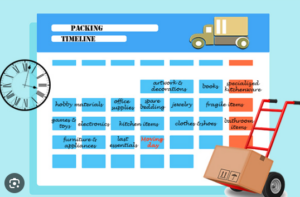
Creating a packing timeline is one of the essential tips for household moving. A clear timeline turns a stressful process into a manageable plan. It helps you stay organized and avoid last-minute rushing. Start by counting backward from your move date. Assign simple packing goals to each week. This keeps progress steady and predictable.
Begin with items you use the least. Seasonal décor, storage areas, and guest rooms are ideal starting points. Packing these early creates momentum without disrupting daily life. As moving day approaches, shift focus to everyday items. Kitchens, closets, and bathrooms should be packed later. A timeline prevents packing too much too soon.
Break large tasks into smaller steps. Packing one room over several days feels easier. Set realistic goals you can complete after work or on weekends. Build in extra time for unexpected delays. Moves rarely go exactly as planned. A flexible timeline allows room for change.
ABC Moving Systems suggests that a written packing schedule also helps coordinate with movers. You can clearly communicate what will be ready and when. This improves efficiency on moving day. Most importantly, a packing timeline reduces stress. Knowing what to pack each day brings confidence and control throughout the move.
Gather Quality Packing Supplies
-

Quality Packing Supplies Gathering quality packing supplies is essential for protecting your household belongings. Strong materials reduce the risk of damage during handling and transport. Cheap supplies often fail under weight or pressure.
-
Start with sturdy moving boxes in multiple sizes. Heavy items need small boxes for safer lifting. Larger boxes work best for light, bulky items like linens.
-
Use high-quality packing tape designed for moving. Standard household tape may split or peel. Strong tape keeps boxes secure throughout the move.
-
Cushioning materials are just as important as boxes. Packing paper protects surfaces without leaving residue. Bubble wrap adds extra protection for fragile items.
-
Invest in specialty supplies for delicate belongings. Dish packs, wardrobe boxes, and mattress covers provide added security. These items help prevent costly damage.
-
Markers and labels should not be overlooked. Clear labeling saves time when unloading and unpacking. Waterproof markers prevent smudging or fading.
-
Avoid using old or damaged boxes. Weak corners can collapse during stacking. Quality supplies support safe loading and efficient transport.
-
Having extra supplies on hand is always smart. Packing often takes longer than expected. Extra materials prevent rushed or unsafe packing decisions.
Declutter Before You Pack

Another of the essential tips for householf moving is decluttering before you pack makes the entire moving process easier. Fewer items mean fewer boxes, lower moving costs, and faster packing. It also helps you start fresh in your new home. Packing unwanted items wastes time and effort. Decluttering first keeps your move focused and efficient.
Start by sorting each room one at a time. Create clear categories such as keep, donate, sell, and discard. This system simplifies decision-making. Be honest about what you actually use. If an item has not been used in years, it may not be worth moving. Letting go early reduces stress later.
Focus first on storage areas. Garages, closets, and cabinets often hold forgotten items. These spaces usually offer quick wins. Clothing, books, and old paperwork are common decluttering targets. Reducing these items saves significant packing time.
Decluttering also protects valuable belongings. Overpacked boxes are more likely to break or cause damage. Lighter boxes are safer to lift and stack. Movers can work more efficiently with fewer items. This improves safety for everyone involved.
Donating usable items benefits others and reduces waste. Selling items can offset moving expenses. Discard broken or unsafe items responsibly. Decluttering before packing gives you control. It creates a smoother, more organized move from start to finish.
Pack One Room at a Time
-
Packing one room at a time creates structure and control. It prevents chaos and confusion. This method keeps items organized and easy
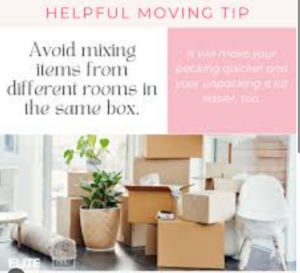 to track.
 -
Focusing on one space improves efficiency. You finish a complete area before starting another. This builds progress you can see.
-
Room-by-room packing simplifies labeling. Each box clearly matches a specific room. Unpacking becomes faster and more organized.
-
This approach reduces misplaced items. Belongings stay grouped by purpose and location. Nothing gets mixed into the wrong boxes.
-
Packing one room helps protect fragile items. You can organize padding and wrapping more carefully. This reduces breakage risk.
-
It makes daily living easier during the move. You keep active rooms usable longer. This supports normal routines.
-
Movers work more efficiently with organized packing. Clear room grouping speeds up loading and unloading. It improves workflow on moving day.
-
This method lowers stress levels. Clear progress feels motivating. Order replaces overwhelm throughout the packing process.
-
Packing by room also improves inventory control. You can track contents more easily. Missing items are easier to identify.
-
A room-by-room system creates a smoother transition. Unpacking feels simpler and faster. Your new home becomes functional more quickly.
Label Boxes Clearly
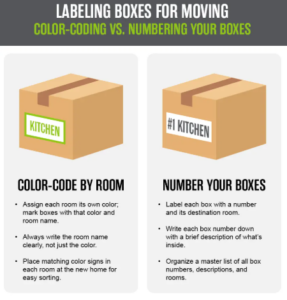 Labeling boxes clearly is a simple step with major benefits during a household move. Clear labels save time during loading, unloading, and unpacking. They help everyone know where items belong. Without proper labels, boxes often end up in the wrong rooms. This creates confusion and unnecessary work.
Start by labeling every box on multiple sides. Labels should be visible when boxes are stacked. Write the destination room in large, bold letters. Include a brief description of the contents. This extra detail helps prioritize unpacking later.
Use consistent wording for room names. Avoid switching between similar terms. For example, choose either “Primary Bedroom” or “Bedroom One.” Consistency prevents mix-ups on moving day. Color-coded labels or tape can add another layer of clarity.
Mark fragile boxes clearly and honestly. Use clear warnings like “Fragile” or “Handle With Care.” This alerts movers to use caution. However, do not overuse fragile labels. Too many warnings can reduce their impact.
Waterproof markers work best for labeling. Smudged ink can make labels unreadable. Clear labeling also helps with inventory tracking. When boxes are easy to identify, unpacking feels faster and far less stressful.
Protect Fragile Items Properly
-
Protecting fragile items properly is essential during household packing. Delicate belongings are most at risk during transport. Careful
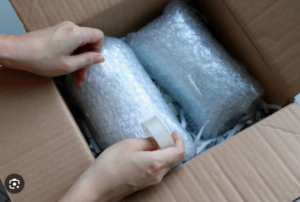 packing reduces breakage and costly replacements.
 -
Always wrap fragile items individually. Use packing paper, bubble wrap, or foam padding. Individual wrapping prevents items from striking each other.
-
Choose the right box size for fragile items. Boxes that are too large allow shifting. Snug packing limits movement during transit.
-
Line the bottom of boxes with cushioning material. Extra padding absorbs shocks from lifting and stacking. This creates a protective base layer.
-
Place heavier items at the bottom of the box. Lighter items should go on top. Proper weight distribution prevents crushing.
-
Fill all empty spaces inside the box. Use packing paper or soft materials. Empty gaps cause items to move and break.
-
Use specialty boxes when available. Dish packs and glass dividers offer extra protection. These supplies are designed for fragile household items.
-
Clearly label boxes as fragile on multiple sides. This alerts movers to handle them carefully. Proper protection keeps your valuables safe throughout the move.
Keep Essentials Easily Accessible
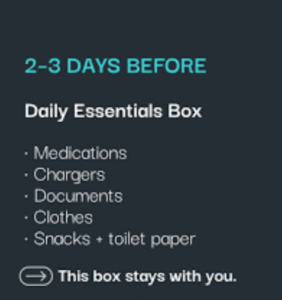 Keeping essential items easily accessible makes moving day far less stressful. Essentials are the items you will need immediately. Searching through boxes on the first night can be frustrating. A dedicated essentials plan prevents unnecessary disruption.
Start by identifying daily necessities for each household member. Include toiletries, medications, chargers, and important documents. Pack these items separately from regular boxes. Use a clearly marked container or small suitcase. This keeps essentials within reach at all times.
Prepare an essentials kit for the first night. Include basic kitchen items, bedding, and a change of clothes. Having these items ready avoids late-night unpacking. It also helps everyone settle in more comfortably.
Keep valuable items with you whenever possible. Jewelry, laptops, and personal paperwork should not go on the moving truck. Direct control reduces the risk of loss or damage. Important items deserve extra attention.
Label essentials containers very clearly. Use bold lettering or bright tape. Let movers know these items should stay accessible. Keeping essentials easily accessible saves time and stress. It allows your household to function smoothly during the transition. ABC Moving Systems feels clearly labeling cartons is truly one of the most essential tips for household packing.
Prepare for Moving Day
-
Preparing for moving day starts well before the truck arrives. Final preparation reduces stress and prevents delays. A clear plan keeps
 everything running smoothly.
 -
Confirm all details with your moving company ahead of time. Verify arrival times, addresses, and contact numbers. Clear communication avoids confusion on moving day.
-
Finish packing all nonessential items the night before. Loose items slow down loading and increase risk. Everything should be boxed and sealed.
-
Set aside boxes that should not go on the truck. Clearly mark them or place them in a separate area. This prevents accidental loading.
-
Prepare clear pathways for movers. Remove obstacles from hallways and doorways. Safe access speeds up loading and protects your home.
-
Keep important documents and valuables with you. Do not pack them with household goods. Personal supervision adds security.
-
Be available to answer questions during the move. Quick decisions help movers stay efficient. Clear direction saves time.
-
Do a final walkthrough before leaving. Check closets, cabinets, and storage areas. Preparing carefully ensures nothing important is left behind.
Essential Tips For Household Packing – An Overview
The essential tips for household packing start with preparation and organization. A clear timeline and quality supplies make a big difference. Packing room by room keeps the process manageable. Clear labeling and protecting items prevent damage and confusion. ABC Moving Systems has seen that when essentials stay accessible, moving day feels calmer and more controlled.

Mike and Richie are top notch! They are professional, keep their word and are extremely knowledgeable. From the moment Mike answered the phone and the questions he asked to the answers he gave to mine, I knew I found the right company. I had been dealing with a ton of flakey local movers that had great reviews yet their customer service was sub par. The hassle it was to even get someone out to give me a bid was mind blowing. I am extremely grateful that I crossed paths with these guys for my 39k sq foot move. Angel, the project lead was so helpful, polite and communicated every step of the way. Thank you ABC moving for all you did for me. You are a cut above the rest. In a league of your own. Truly.

WOW! We needed to move a truckload of items ASAP from Brentwood, LA to Hermosa Beach, and they def delivered. They were fully prepared and were able to add in extra items as needed on the fly. This was my first time hiring a moving company, so I was a little nervous. They were A+++. Highly recommended and we will definitely be using them again. Thank you guys SO MUCH!!
ABC Moving Systems, I can’t thank you enough for all the help you provided for this move. This was my very first corporate business move that I’ve ever done and was so nervous that something was going to go wrong, but ABC Moving Systems made this job so easy for me. I want to thank Richie for being responsive, professional and easy going. The movers, WOW! Osiel’s Team was incredibly efficient and fast. I didn’t realize how fast they moved everything. I felt safe, comfortable and they were so patient with me with the move.
Thank you ABC Moving Systems! I can’t wait for our Second Move with Osiel’s Team!
I highly recommend this company.
There are just so many great things to say about ABC Moving. I am so happy I stumbled across them in my search for a mover for our Corporate Offices. From the first phone call, they seemed completely professional, organized and responsive to all my questions. Richie was the one who helped me from that first phone call, to the walk through and quotation, and eventually throughout the 10 days of moving our offices. He always treated me like I was his only customer, he would answer my calls or texts immediately. We did a 72,000 SF move and they were SPOT ON from the beginning to the end. Their pricing was literally almost exactly what they quoted. I added services along the way like packing help and extra labor for garbage removal and they were always up for it. I typically had (8) movers each day working on my move and they were all very hardworking, but especially Angel and Illias (sp?) were incredible. If and when I do another move in Los Angeles, I will call ABC without hesitation. I have coordinated four corporate moves in my career but this one with ABC was the best. Thank you guys!!!!

Hi there this is Vicki . I just want to thank you for the super super job that your crew did moving my stuff from storage. They were so careful and so good. I’m sure that anybody who’s thinking of a short distance move in my building who saw how fast they were able to get everything moved was impressed. The beauty shop will be the next one to be calling you. I’m sure she will ask and request Angel adn his wonderful crew. Again thank you so very much you saved me tremendously thanks again bye.
Dear ABC Moving Company,
Thank you so much to the entire crew whose names I would seriously misspell. They did an absolutely phenomenal job today. I think they helped me much more than the job would usually require. It was a long demanding day with a lot of driving and very heavy lifting, but they were positive and helpful the entire time.
They were prompt and neat and knowledgeable and professional. Buying a house for the first time is such a huge undertaking and has so many moving parts. My moving day was a highlight of the whole business. I would highly recommend your company without hesitation.
Many thanks to crew and office staff!!
Claudia R
I worked with Scott on my move and storage, he was fantastic. He always answered the phone when I called, was quick with his quote and answered all my questions. The day of the move the guys were exactly on time and did a fantastic job of packing up some things like all my bed parts and large wall art. They stored my stuff for five months and then just a quick call to Scott to set up the delivery to my new home 2 hours away. This time the guys were early and unloaded and put everything where I asked them too in under 2 hours. the cost for each move was very fair and competitive. I highly recommend ABC Moving Systems, you will not be disappointed.
The Goethe-Institut Los Angeles has used the services of ABC Moving Systems on several occasions: move out of our space, long-term storage over 3.5 years, and move into the new space. We are thoroughly satisfied with their professional service, quick and reliable communication and the on-time execution of each job. All the staff was wonderful! We highly recommend ABC Moving Systems for your moving or storage needs.
Great experience, painless (other the having to actually move), efficient, hard working, great communication. This experience was great and I would definitely recommend and use this company again. The team, Joseph, Enrique and Carlos, worked non-stop, were friendly , professional and kept me in the loop at all times. Thank you!
Thank you for making the move out happen and being patient with us each step of the way. I know firsthand how laborious the job was. I also know who hard it is to find great staff. Please know that ALL of your movers were wonderful. I wish other vendors had your personnel. Everyone was accommodating and I did not feel like I had to stay on them like I do with other contracted vendors. Thank you so much!
We have moved many times all over the country, and I would rate ABC Moving Systems in Los Angeles as one of the best companies I’ve dealt with. Their communication is clear and consistent from start to finish. Their staff is exceptionally competent, helpful, respectful of property, efficient and organized. I sought several bids for this local move and their bid was fair, clearly stated and comprehensive. They know what they are doing. Use them!