
 Call 818-745-2542
Storage Options for Household Moving
Storage options for household moving are invaluable, since timing gaps between homes are common. Storage helps protect your belongings during transitions. Options will vary by duration, access, and security, so understanding your choices can reduce stress and cost.
This ABC Moving Systems overview explains various storage choices during a move.
Short-Term Moving Storage

Storage options for household moving are ideal when move dates do not align perfectly. This situation is very common during household relocations.Buyers may need to vacate before a new home is ready as sellers may face delays with escrow or construction. Short-term storage bridges these timing gaps smoothly.
With short-term storage, household goods are stored for days or weeks, with some moves requiring storage only for a single weekend.
Others often need storage for several weeks. The goal is flexibility without long-term commitment. This option keeps belongings protected during temporary transitions.
Many moving companies offer vault or warehouse-based short-term storage. This is often advantageous, as your items are loaded once and unloaded once, thus reducing handling and risk of damage. Your belongings remain secured until final delivery. Scheduling delivery is usually simple and flexible.
Short-term storage also helps during partial moves. Homeowners may stage a property for sale, with extra furniture being stored temporarily. This creates a cleaner, more appealing home. Access can often be arranged with advance notice. Climate control may be available if needed. This can be important for wood, electronics, and artwork. Short-term storage offers peace of mind during uncertain timelines, as it keeps moves organized, efficient, and far less stressful.
Long-Term Storage Solutions
-
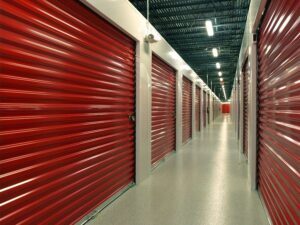
Long Term Storage Solutions Long-term storage solutions are designed for extended household needs. They are ideal when storage is needed for several months or longer. This option supports relocations with uncertain timelines.
-
Many households choose long-term storage during major life transitions. Renovations, downsizing, or long-distance moves often require it. Your items remain protected while plans are finalized.
-
Professional moving companies often provide warehouse-based long-term storage. Your belongings are stored in sealed vaults or containers. This reduces handling and potential damage.
-
Climate-controlled environments are commonly available, with temperature and humidity remaining stable year-round. This protects your furniture, electronics, documents, and artwork.
-
Long-term storage offers strong security features. Often facilities may include surveillance, controlled access, and alarms. These measures can provide added peace of mind.
-
Inventory tracking is usually part of long-term storage programs. Items are numbered and furniture condition documented upon intake. This helps ensure accurate retrieval later.
-
Access policies vary by provider, with some facilities allowing scheduled access. Others require delivery requests with advance notice.
-
Long-term storage can simplify future moves. Your items stay stored until a permanent home is ready. Delivery can be scheduled when the timing is right. This solution helps reduce clutter and stress, with your belongings remaining safe and organized.
Portable Storage Containers
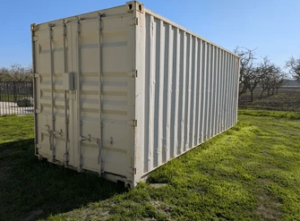
Portable storage containers offer flexible storage options for household moving. They combine convenience with secure temporary storage. These containers are delivered directly to the home, so that loading can occur at a comfortable pace. Once loaded, the container can remain on-site. This often works well for short remodeling projects. Containers can also be transported to a storage facility. This option reduces the need for multiple moves.
Portable containers are useful for staggered moves. Homeowners may move items in stages. This allows better organization and planning, and also minimizes daily disruption.
Security is an important feature of portable storage containers. Most units include heavy-duty construction. Locking mechanisms help prevent unauthorized access. Containers remain sealed until delivery. Weather-resistant designs protect belongings from the elements. This is critical during outdoor placement.
Some providers offer climate-controlled storage when containers are stored off-site. This helps protect sensitive items. Portable storage containers reduce handling risks. Items are loaded once and unloaded once. This lowers the chance of damage. It also saves time and labor. This storage option works well for many household situations. It offers flexibility, control, and convenience. Portable containers simplify storage during complex moves. ABC Moving Systems often loads and unloads containers for customers.
Warehouse Storage Facilities
-
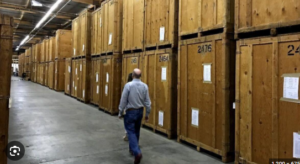
Moving Company Storage Options Warehouse storage facilities are a common option during household moves. They are designed for secure, professional storage. These facilities are typically operated by moving companies.
-
Items are usually placed into wooden or metal storage vaults. Each vault is labeled and tracked. This system keeps belongings organized and secure.
-
Warehouse storage works well for longer timelines. Moves with delayed closings often require it. It also helps during renovations or rebuilds.
-
Professional handling is a key advantage. Items are wrapped and protected before storage. This reduces wear and accidental damage.
-
Climate-controlled warehouse options are often available. Temperature and humidity remain stable. This protects wood furniture, electronics, and artwork.
-
Security is tightly managed in warehouse environments. Facilities often include cameras and restricted access. Only authorized staff handle stored goods.
-
Access is usually scheduled rather than immediate. This improves organization and efficiency. Advance notice is often required for retrieval.
-
Warehouse storage reduces clutter during transitions. Homes remain clean and easier to manage. This is helpful during staging or temporary housing.
-
Delivery can be coordinated when the home is ready. This allows better move planning. Warehouse storage supports smoother, less stressful household moves.
Climate-Controlled Storage Units
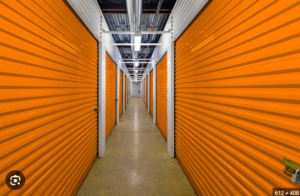
Climate-controlled storage units are designed to protect sensitive household items. They regulate temperature and humidity levels year-round. This stability reduces the risk of damage during storage. These units are ideal for valuable or delicate belongings. Truly, one of the great storage options for household moving.
Wood furniture benefits greatly from climate control. Fluctuating temperatures can cause warping or cracking. Consistent conditions help preserve finishes and structure. Upholstered items also stay in better condition.
Electronics require controlled environments during storage. Excess heat or moisture can damage internal components. Climate-controlled units reduce corrosion risks. They also help extend the lifespan of stored devices.
Artwork and antiques often need special protection. Paintings can crack in dry conditions. High humidity may cause mold or mildew. Climate control helps prevent these issues.
Documents and photographs are also sensitive. Paper absorbs moisture easily. Climate-controlled storage reduces yellowing and deterioration. Important records remain legible and intact.
These units are commonly used for longer storage periods. They are also useful for short-term storage. Seasonal temperature swings make climate control valuable. This is especially true in extreme weather regions.
Climate-controlled storage offers peace of mind. Belongings remain protected throughout the move. ABC Moving Systems has seen that this option helps ensure items arrive in original condition.
Storage Access and Retrieval
-

Options : Public Storage or Moving Company Storage access and retrieval are key factors during a household move. Knowing how and when items can be accessed matters. Access policies vary by storage type and provider.
-
Some storage options offer scheduled access only. This is common with warehouse-based storage. Items are retrieved by request rather than direct entry.
-
Portable storage containers often allow easier access. Containers may remain on-site at the home. Homeowners can access items as needed.
-
Self-storage units provide the most direct access. Customers can usually visit during facility hours. This works well for frequent retrieval needs.
-
Retrieval notice requirements should be reviewed carefully. Many facilities require advance scheduling. This helps coordinate labor and transportation.
-
Inventory systems play an important role. Detailed inventories help locate items quickly. This reduces delays during retrieval.
-
Partial retrieval may be available with some providers. Not all storage options support this feature. Confirm policies before choosing storage.
-
Delivery coordination is another consideration. Retrieval often includes transportation to the new home. Timing should align with move-in dates.
-
Clear communication improves the retrieval process. Proper planning avoids last-minute issues. Understanding access rules leads to smoother household moves.
Security and Insurance Considerations
Security and insurance are critical when choosing moving storage options. Household belongings often remain in storage for extended periods. Proper protection reduces risk and provides peace of mind. Both physical security and financial coverage should be reviewed.
Most professional storage facilities use layered security measures. These may include surveillance cameras and alarm systems. Controlled access limits entry to authorized personnel only. This helps prevent theft or tampering.
Storage containers and warehouse vaults are usually sealed. Items are not accessible without authorization. This reduces handling and exposure. Sealed storage adds another layer of protection.
Insurance coverage is equally important during storage. Basic valuation coverage may be included. This coverage is often limited. Additional protection can usually be purchased.
Homeowners insurance policies sometimes extend to stored items. Coverage limits may vary. Policy exclusions are common. Confirm details before relying on existing coverage.
Inventory documentation supports insurance claims. Items should be recorded before storage. Photos can provide additional verification. This helps resolve claims more efficiently.
Clear contracts outline responsibility and liability. Review terms carefully before storing belongings. Understanding security and insurance details prevents surprises. These considerations protect both your property and your peace of mind.
Cost and Timing Factors
-
Cost and timing play major roles in storage decisions. Household moves rarely follow perfect schedules. Storage fills the gaps between dates.
-
Short-term storage is usually priced by days or weeks. This works well for brief delays. Costs remain predictable when timelines are clear.
-
Long-term storage is often billed monthly. Rates may decrease over time. This benefits extended storage needs.
-
Labor costs can impact overall pricing. Loading and unloading may be separate charges. Fewer handling events often reduce expenses.
-
Storage type affects cost significantly. Warehouse storage may cost less than self-storage. Climate control usually increases monthly rates.
-
Access frequency can influence pricing. Frequent retrieval may require additional labor. Scheduled access often keeps costs lower.
-
Timing flexibility can reduce expenses. Off-peak seasons may offer better rates. Advance planning helps secure availability.
-
Delivery timing also matters. Last-minute requests may incur fees. Scheduled deliveries improve efficiency.
-
Insurance and valuation affect total cost. Higher coverage increases pricing slightly. This protection may be worthwhile.
-
Understanding both cost and timing prevents surprises. Clear estimates support better planning. This leads to smoother household moves overall.
Storage Options for Household Moving – An Overview
Storage options add flexibility to household moves. Each option suits different timelines and budgets. Your particular access needs should guide your decision. Security and climate protection is important for your valuables. Choosing the right storage simplifies the entire moving process. Hopefully, this ABC Moving Systems guide has proven helpful for laying out the various storage options and costs.

Mike and Richie are top notch! They are professional, keep their word and are extremely knowledgeable. From the moment Mike answered the phone and the questions he asked to the answers he gave to mine, I knew I found the right company. I had been dealing with a ton of flakey local movers that had great reviews yet their customer service was sub par. The hassle it was to even get someone out to give me a bid was mind blowing. I am extremely grateful that I crossed paths with these guys for my 39k sq foot move. Angel, the project lead was so helpful, polite and communicated every step of the way. Thank you ABC moving for all you did for me. You are a cut above the rest. In a league of your own. Truly.

WOW! We needed to move a truckload of items ASAP from Brentwood, LA to Hermosa Beach, and they def delivered. They were fully prepared and were able to add in extra items as needed on the fly. This was my first time hiring a moving company, so I was a little nervous. They were A+++. Highly recommended and we will definitely be using them again. Thank you guys SO MUCH!!
ABC Moving Systems, I can’t thank you enough for all the help you provided for this move. This was my very first corporate business move that I’ve ever done and was so nervous that something was going to go wrong, but ABC Moving Systems made this job so easy for me. I want to thank Richie for being responsive, professional and easy going. The movers, WOW! Osiel’s Team was incredibly efficient and fast. I didn’t realize how fast they moved everything. I felt safe, comfortable and they were so patient with me with the move.
Thank you ABC Moving Systems! I can’t wait for our Second Move with Osiel’s Team!
I highly recommend this company.
There are just so many great things to say about ABC Moving. I am so happy I stumbled across them in my search for a mover for our Corporate Offices. From the first phone call, they seemed completely professional, organized and responsive to all my questions. Richie was the one who helped me from that first phone call, to the walk through and quotation, and eventually throughout the 10 days of moving our offices. He always treated me like I was his only customer, he would answer my calls or texts immediately. We did a 72,000 SF move and they were SPOT ON from the beginning to the end. Their pricing was literally almost exactly what they quoted. I added services along the way like packing help and extra labor for garbage removal and they were always up for it. I typically had (8) movers each day working on my move and they were all very hardworking, but especially Angel and Illias (sp?) were incredible. If and when I do another move in Los Angeles, I will call ABC without hesitation. I have coordinated four corporate moves in my career but this one with ABC was the best. Thank you guys!!!!

Hi there this is Vicki . I just want to thank you for the super super job that your crew did moving my stuff from storage. They were so careful and so good. I’m sure that anybody who’s thinking of a short distance move in my building who saw how fast they were able to get everything moved was impressed. The beauty shop will be the next one to be calling you. I’m sure she will ask and request Angel adn his wonderful crew. Again thank you so very much you saved me tremendously thanks again bye.
Dear ABC Moving Company,
Thank you so much to the entire crew whose names I would seriously misspell. They did an absolutely phenomenal job today. I think they helped me much more than the job would usually require. It was a long demanding day with a lot of driving and very heavy lifting, but they were positive and helpful the entire time.
They were prompt and neat and knowledgeable and professional. Buying a house for the first time is such a huge undertaking and has so many moving parts. My moving day was a highlight of the whole business. I would highly recommend your company without hesitation.
Many thanks to crew and office staff!!
Claudia R
I worked with Scott on my move and storage, he was fantastic. He always answered the phone when I called, was quick with his quote and answered all my questions. The day of the move the guys were exactly on time and did a fantastic job of packing up some things like all my bed parts and large wall art. They stored my stuff for five months and then just a quick call to Scott to set up the delivery to my new home 2 hours away. This time the guys were early and unloaded and put everything where I asked them too in under 2 hours. the cost for each move was very fair and competitive. I highly recommend ABC Moving Systems, you will not be disappointed.
The Goethe-Institut Los Angeles has used the services of ABC Moving Systems on several occasions: move out of our space, long-term storage over 3.5 years, and move into the new space. We are thoroughly satisfied with their professional service, quick and reliable communication and the on-time execution of each job. All the staff was wonderful! We highly recommend ABC Moving Systems for your moving or storage needs.
Great experience, painless (other the having to actually move), efficient, hard working, great communication. This experience was great and I would definitely recommend and use this company again. The team, Joseph, Enrique and Carlos, worked non-stop, were friendly , professional and kept me in the loop at all times. Thank you!
Thank you for making the move out happen and being patient with us each step of the way. I know firsthand how laborious the job was. I also know who hard it is to find great staff. Please know that ALL of your movers were wonderful. I wish other vendors had your personnel. Everyone was accommodating and I did not feel like I had to stay on them like I do with other contracted vendors. Thank you so much!
We have moved many times all over the country, and I would rate ABC Moving Systems in Los Angeles as one of the best companies I’ve dealt with. Their communication is clear and consistent from start to finish. Their staff is exceptionally competent, helpful, respectful of property, efficient and organized. I sought several bids for this local move and their bid was fair, clearly stated and comprehensive. They know what they are doing. Use them!